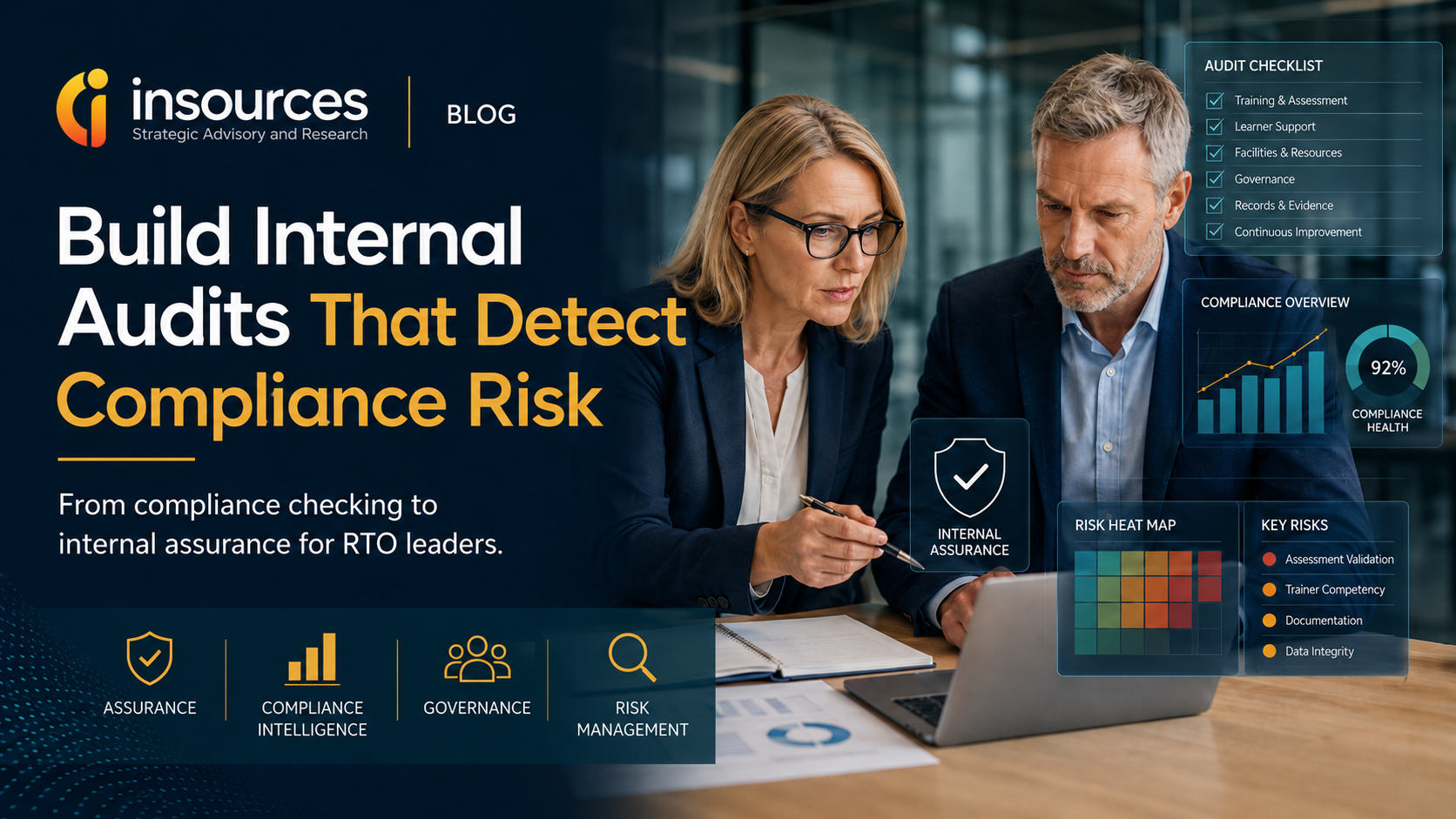
The revised Standards for RTOs 2025 are set to reshape the vocational education and training (VET) landscape in Australia, placing a stronger emphasis on self-assurance, robust governance, and demonstrable training and assessment outcomes. Although these updates may appear daunting, they also present an opportunity for RTOs to strengthen their compliance frameworks, improve their operational efficiency, and enhance the quality of student outcomes.
In this article, I will share insights into what these changes entail and offer practical advice on how your RTO can be audit-ready—without disrupting your day-to-day operations.
Why the 2025 Standards Matter
The new Standards aim to ensure that RTOs are consistently delivering high-quality training and assessment services. Underpinning these Standards are several key focus areas:
- Self-Assurance
RTOs will be expected to demonstrate continuous self-assessment and quality improvement. This means having systems in place to regularly review policies, procedures, and practices against regulatory requirements. - Governance
Strong leadership and accountability structures are crucial. Evidence of board or executive oversight, risk management, and clear decision-making processes will be particularly important during audits. - Student Support
Auditors will examine how well RTOs cater to diverse student needs, including personalised support, clear pathways, and effective feedback mechanisms. - Training and Assessment Outcomes
It won’t be enough to just have compliant assessment tools on paper. RTOs must be able to show evidence of valid, reliable, and industry-relevant outcomes.
Identifying and Collecting the Right Evidence
- Governance and Self-Assurance
- Meeting Minutes and Reports
Keep records of governance meetings highlighting risk assessments, quality reviews, and decision-making processes. - Policies and Procedures
Ensure your documented systems reflect current regulatory obligations, and demonstrate how these policies are actioned and updated. - Internal Audits
Conduct and record regular internal audits to verify that processes and practices align with the Standards. Document any identified non-compliance and your corrective actions. - Assessment Validations
Maintain comprehensive records of your validation schedule and outcomes. Demonstrating that assessment tools are regularly reviewed for accuracy and consistency underpins your commitment to quality. - Analysis of Feedback
Capture and analyse feedback from students, staff, and industry stakeholders. Show how you use this input to refine your training, assessment strategies, and student support services. - Continuous Improvement Register
Keep a central log (register) of all improvement actions arising from internal reviews, assessments, feedback, and audits. This provides clear evidence of how your RTO is actively evolving and responding to identified risks or gaps. - Version Control
Implement a version control system for all key documents (policies, procedures, manuals, etc.). Auditors want to see that you can track changes over time and that staff always have access to the most current versions.
- Training and Assessment
- Assessment Tools and Validation Documents
Maintain evidence of how you ensure your tools meet the Principles of Assessment and Rules of Evidence. References such as the Guide to Assessment Tools can help you align with best practice. - Continuous Improvement Logs
Document any changes made based on validation outcomes or industry feedback.
- Student Support
- Support Services Records
Show how your RTO identifies student needs and provides tailored support—whether through LLN (Language, Literacy, and Numeracy) assistance, counselling, or career advice. - Feedback and Complaint Handling
Maintain records demonstrating how you capture and act on student and stakeholder feedback. This evidences both responsiveness and transparency.
- VET Workforce
- Staff Qualifications and Professional Development
Keep current trainer and assessor profiles that show ongoing professional development and industry engagement. Auditors want to see that your staff are equipped to deliver high-quality training. - Role Delegation
Ensure roles and responsibilities for compliance tasks are clearly documented. A lack of clarity often leads to gaps in audit evidence.
Minimising Disruption While Maintaining Compliance
Automate Where Possible
Adopting digital tools for compliance tracking—such as learning management systems or document management platforms—reduces administrative overhead and ensures easier retrieval of evidence.
Train Your Team
Regularly upskill trainers, assessors, and admin staff to collect and manage audit-ready records. Clear communication about compliance responsibilities fosters a proactive culture and lessens last-minute stress.
Embed Self-Assurance into Operations
Incorporate ongoing checks and balances into your daily workflows. By doing so, you can identify risks early and implement corrective actions well before an audit is on the horizon.
Preparing for a Risk-Based Audit
According to recent insights from the ASQA Annual Report 2023, auditors are adopting a more risk-based approach. This underscores the importance of having evidence readily available—particularly in areas where your RTO has historically faced challenges or where industry changes demand enhanced rigour.
- Data-Driven Decision Making
Use metrics and key performance indicators (KPIs) to monitor compliance health. - Documentation of Continuous Improvement
Showcase a clear cycle of review, action, and re-evaluation to meet audit expectations.
An Invitation to Deepen Your Knowledge
For those looking to delve deeper into the practicalities of evidence collection and audit preparation under the revised Standards, we’re hosting a webinar titled “Suggested Evidence for Audit Under Standards 2025: Ensuring RTO Compliance & Readiness.” This session will provide a step-by-step guide to creating robust, efficient evidence-gathering systems and offer real-world examples of how RTOs can maintain compliance without disrupting daily operations.

Suggested Evidence for Audit Under Standards 2025: Ensuring RTO Compliance & Readiness
11 March 2025 | 5:30 pm to 7:00 pm
With the revised Standards for RTOs 2025 coming into effect in July 2025, RTOs must ensure they have robust systems to demonstrate compliance. Auditors will focus on self-assurance, governance, student support, and training and assessment outcomes.